Introduction
In an era where efficiency and durability are paramount, the integration of steel fibres into refractory materials is revolutionizing industries. From metallurgy to cement production, refractories play a crucial role in high-temperature applications. But what happens when you enhance these materials with steel fibres? This article delves into the myriad ways steel fibres can optimize refractories, addressing their benefits, applications, and best practices.
Optimizing the Use of Steel Fibres in Various Types of Refractories
The concept of optimizing the use of steel fibres in refractories hinges on understanding both materials deeply. Steel fibres are metallic strands that improve the mechanical properties of concrete and other composite materials. When incorporated into refractories, they can significantly enhance toughness, impact resistance, and thermal shock resistance.
Understanding Refractories: A Comprehensive Overview
What are Refractories?
Refractories are heat-resistant materials capable of withstanding extreme temperatures without melting or breaking down. They are essential in various industries, including:
- Steel production Glass manufacturing Cement kilns
Types of Refractory Materials
There are several types of refractories based on their composition and application:
Acidic Refractories: Made from silica and alumina; ideal for acidic environments. Basic Refractories: Comprised mainly of magnesite or dolomite; suited for basic environments. Neutral Refractories: Include chromite and alumina; versatile for various applications.
The Role of Steel Fibres in Enhancing Refractory Performance
Mechanical Properties Improvement
Steel fibres reinforce the matrix structure within refractories, leading to:
- Increased tensile strength Enhanced flexural strength Improved compressive strength
Thermal Shock Resistance
Adding steel fibres helps disperses thermal stress more evenly across the material, reducing crack formation during rapid temperature fluctuations.
Applications of Steel Fibre-Reinforced Refractories
In Metallurgy
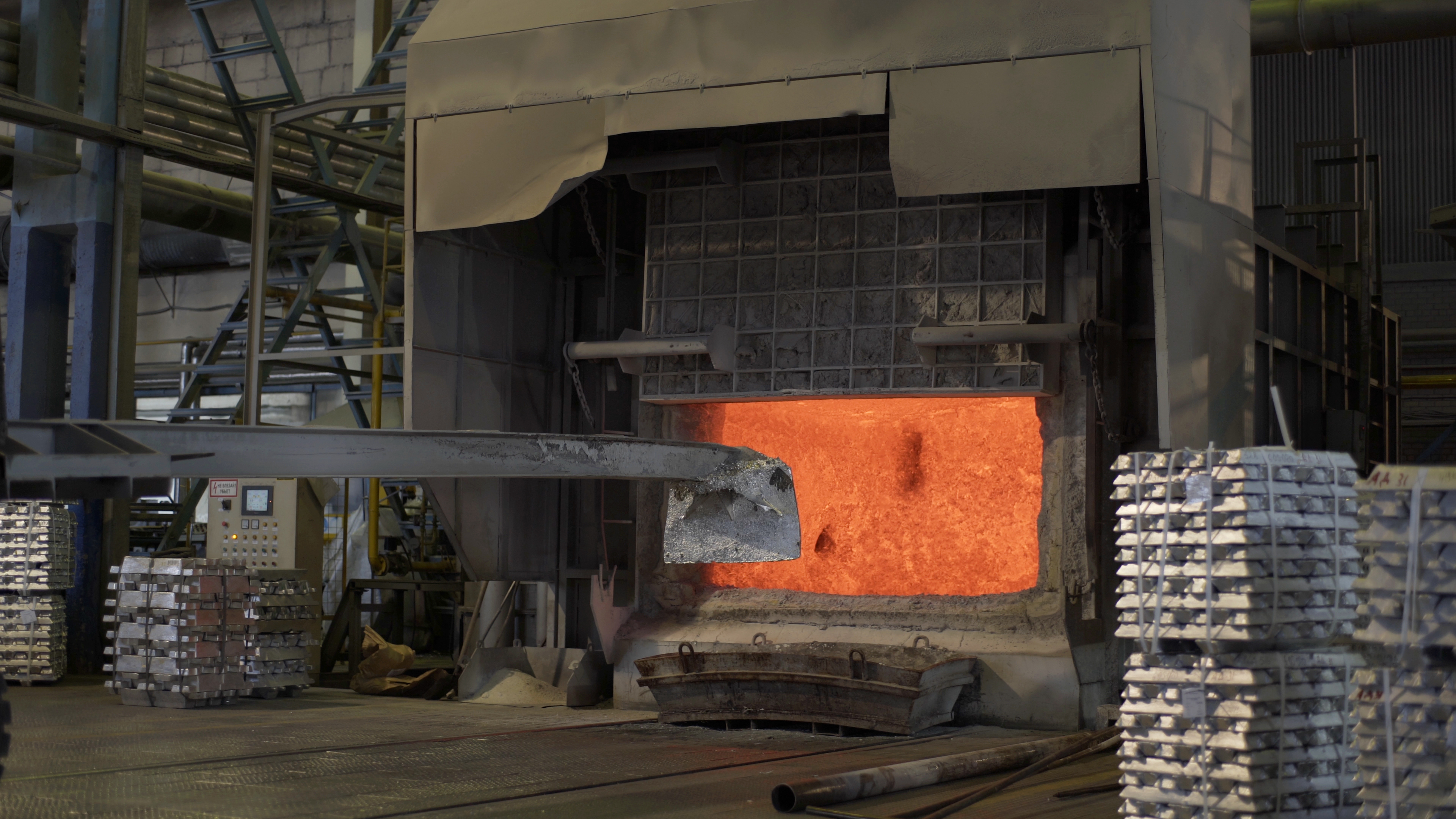
Steel fibre-reinforced refractories are used extensively in furnaces due to their ability to withstand high temperatures while providing structural integrity.
In Cement Production
In cement kilns, these advanced refractories help maintain operational efficiency by reducing wear and extending service life.
Best Practices for Incorporating Steel Fibres
Determining Optimal Fibre Content
The effectiveness of steel fibres depends on their volume fraction within the refractory mix. Typically, a content range between 0.5% to 2% by weight is recommended.
Selecting Appropriate Fibre Type
Not all steel fibres are created equal. Choosing between hooked-end fibres or straight fibres could yield different results based on application requirements.
Benefits of Using Steel Fibres in Refractories
Enhanced Durability
Steel fibre reinforcement leads to significantly longer service life for refractory products, reducing downtime due to repairs or replacements.
Cost Efficiency
Though incorporating steel fibres may incur initial costs, the long-term savings through reduced maintenance and extended lifespan outweigh these expenses.
Improved Safety Standards
By enhancing mechanical properties and thermal stability, steel fibre-reinforced refractories contribute to safer operational environments.
Challenges in Using Steel Fibres with Refractories
Compatibility Issues
Not all refractory formulations interact well with steel fibres—careful selection is essential to avoid adverse reactions.
Processing Challenges
Incorporating steel fibres into existing manufacturing processes may require adjustments or new equipment setups.
FAQs About Optimizing the Use of Steel Fibres in Various Types of Refractories
What are steel fibres?- Steel fibres are short strands made from steel that enhance the mechanical properties of materials like concrete and refractories.
- They improve durability, thermal shock resistance, and overall performance under high-temperature conditions.
- Typically between 0.5% to 2% by weight is effective; however, this can vary based on specific application needs.
- While many can benefit from it, compatibility must be assessed before integration.
- Potential compatibility issues and processing challenges may arise but can often be mitigated with proper planning.
- Industries such as metallurgy and cement production see significant advantages from using these advanced materials.
Conclusion
Optimizing the use of steel fibres in various types of refractories offers remarkable benefits that extend beyond mere performance metrics—these innovations lead to safer workplaces, improved product longevity, and cost savings over time. By understanding how to effectively integrate these powerful reinforcements into refractory formulations while acknowledging potential challenges, industries can harness unparalleled advantages that will serve them well into the future.
As we continue exploring Steel Fibres for Refractories advancements in material science, it's clear that the synergy between traditional refractory Steel Fibres materials and modern enhancements like steel fibres holds immense potential for revolutionizing high-temperature applications across multiple sectors. Embracing these changes isn't just about keeping pace; it's about setting a standard for what’s possible in industrial operations today and tomorrow.
This comprehensive guide outlines steel fiber types not only what makes steel fibers a crucial addition to refractory systems but also how industries can implement them effectively for maximum benefit. Whether you’re a seasoned professional or just entering this field, understanding these dynamics will position you at the forefront of innovation in high-temperature applications.